Case Study: Multi-Crop Silage Innovation at Woodhouse Farm, Wiltshire
Our client, Woodhouse Farm in Wiltshire, experimented with a drilling three crops together to produce more home-grown, high protein and higly digestible silage mix – this is how they got on…

2026 Update
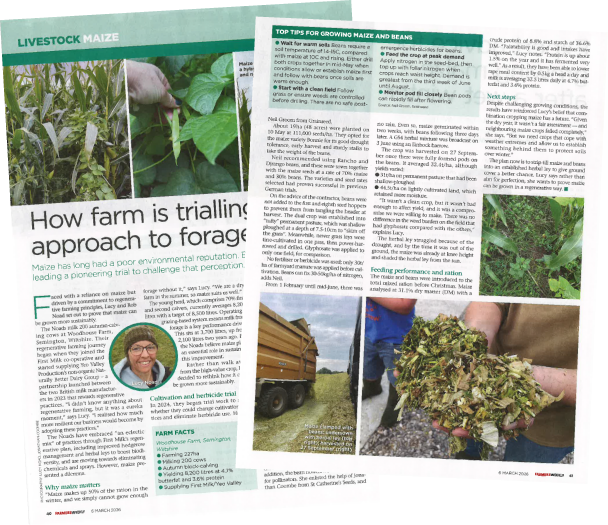
Rob and Lucy’s project was recently featured in Farmers Weekly following their successful trial of combining maize with climbing beans and a herbal ley, as part of a regenerative forage system. Their approach focused on growing two complementary crops together, improving forage quality while supporting soil health.
The climbing beans contribute natural nitrogen fixation, reducing reliance on artificial fertiliser, while also increasing the protein content of the resulting forage. Meanwhile, the maize provides structure and energy, creating a balanced, high-performing feed.
The trial demonstrated strong establishment and promising feed results, with the mixed crop performing well in a total mixed ration. Careful field preparation, variety selection, and early weed control were key to success.
Following these positive outcomes, Rob and Lucy plan to repeat this and expand it to 60 acres this year, highlighting growing confidence in this sustainable, cost-effective system. This project reflects a wider shift toward regenerative practices that improve both productivity and long-term soil resilience.
Download the Farmers Weekly article

Background & Objectives
Woodhouse Farm, run by Rob and Lucy Noad, is a progressive dairy enterprise in Wiltshire miking a 220 cow dairy. Like many modern dairy farms, the business is focused on improving feed efficiency while reducing reliance on bought-in inputs.
With rising costs associated with imported protein and soya-based feeds, Rob and Lucy set out to explore a more sustainable, home-grown solution. Their goal was to produce a high-protein, highly digestible, high-value silage mix that would support herd performance while improving soil health and reducing input costs.
The Concept: Three Crops, One Field
To achieve this, Woodhouse Farm trialled an innovative approach: drilling three complementary crops in the same field.
The system combined:
- Maize as the primary energy crop
- Beans to boost home-grown protein
- An under-sown herbal ley to protect soil structure and support future cropping
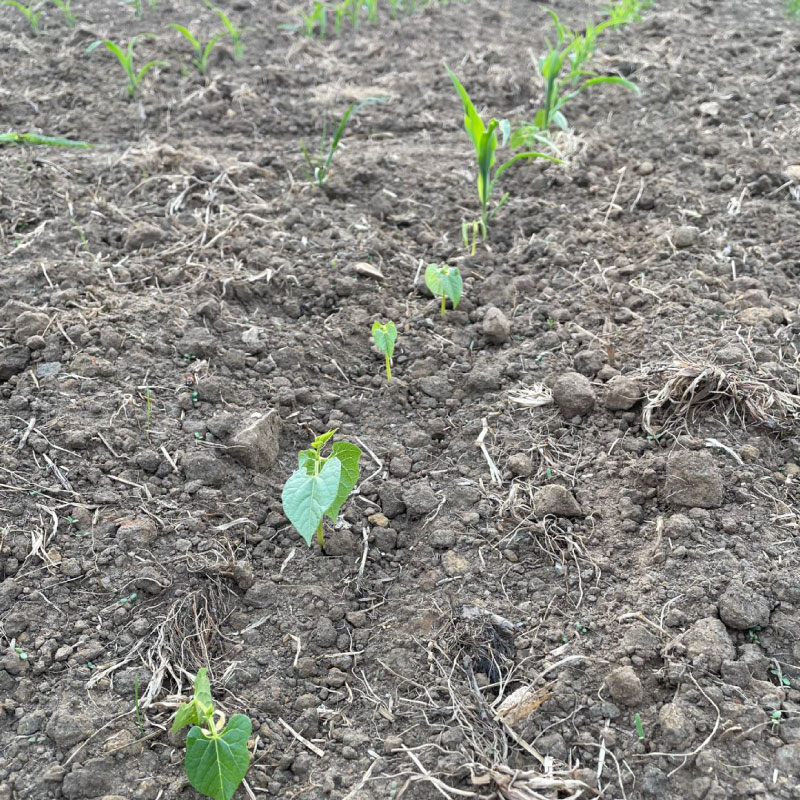
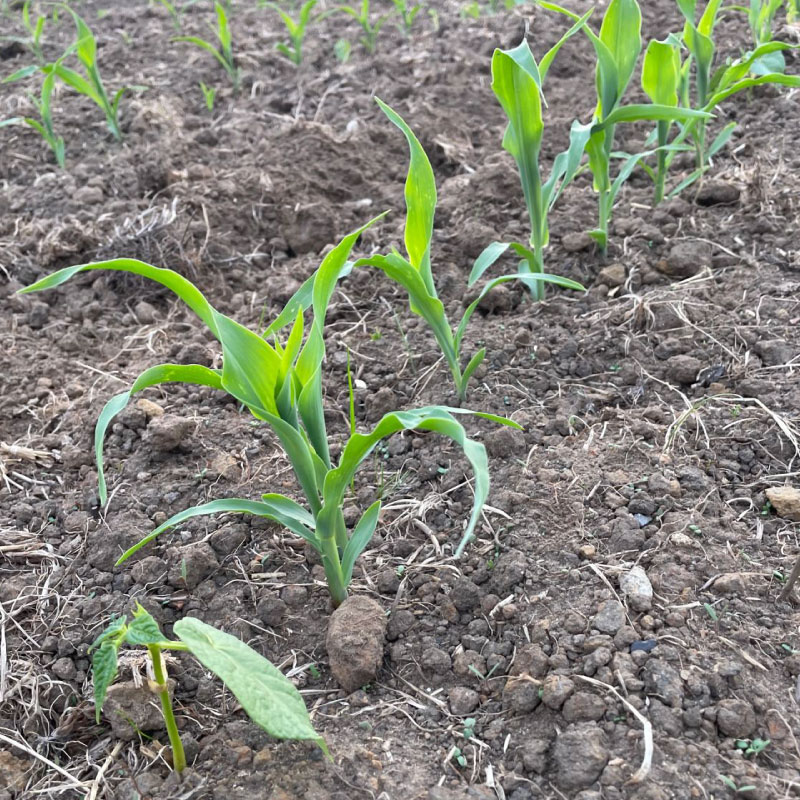
The maize was drilled with an ultra-early variety called Bonnie , along with the beans Rancho & Djrango. The herbal ley was sown a week later, the herbal ley was included primarily to minimise autumn run-off following maize harvest, while also helping to condition the soil ahead of a grass ley planned for the following season.
This integrated approach aimed to deliver both nutritional and environmental benefits, aligning productivity with long-term soil management.
Crop Selection & Supply
We supplied the Bonnie maize variety, an extra-early maize with:
- Proven yield performance
- High starch content
- Strong standing ability
Bonnie was selected to suit the system and provide reliable performance under varying seasonal conditions.
The bean element consisted of a mix of RANCHO and DJANGO runner and broad beans, sourced from Germany. These newer varieties have been successfully trialled overseas and were chosen for their protein contribution and compatibility within mixed cropping systems. All crops were drilled concurrently to ensure even establishment.
On-Farm Collaboration
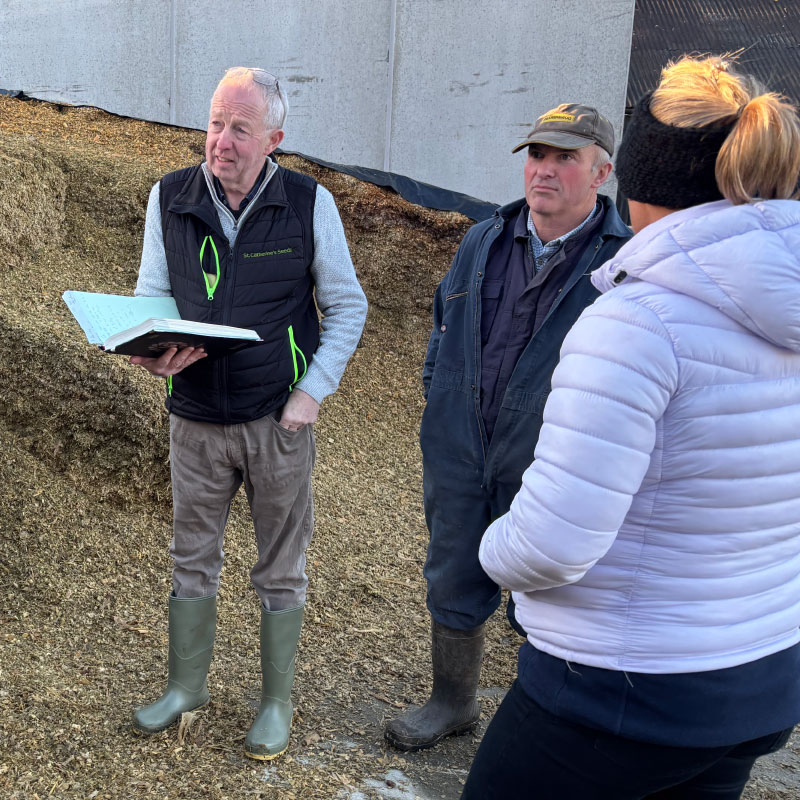
During the growing season, we visited Woodhouse Farm alongside Neil Groom and Becci Shrimpton from Grainseed, the maize suppliers. The visit provided an opportunity to assess establishment, discuss agronomy decisions, and review early results from this forward-thinking system.
Harvest & Results
Despite particularly dry growing conditions, the crop performed well.
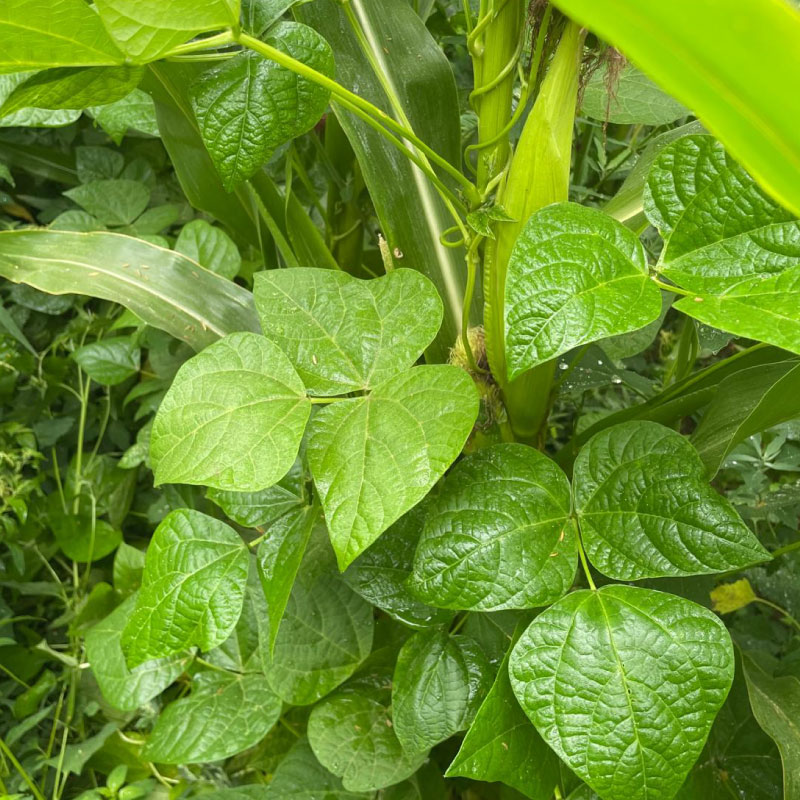
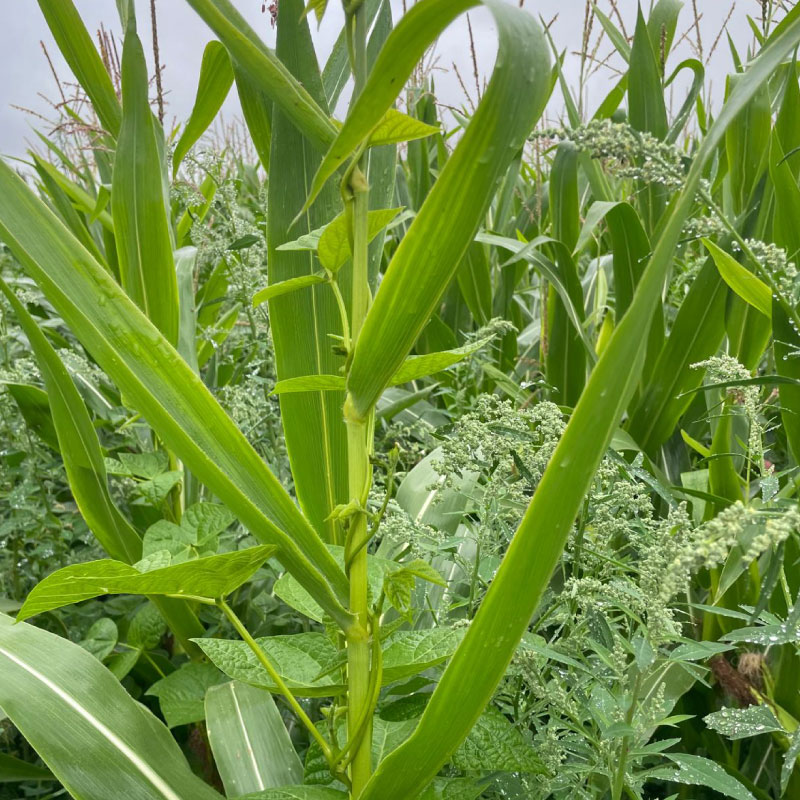
The Beans plants established well during the growing period, wrapping around the maize plants right from the start of growing period and produced a lot of leaf material through June / July / August in very dry conditions.
The bean pods developed quite late, following some limited rain in late August/early Sept.
Looking Ahead
Rob and Lucy’s initial reaction to the project has been very encouraging. The trial has demonstrated the potential for multi-crop systems to deliver productive forage while also supporting soil protection and future cropping plans.
Further analysis will provide a clearer picture of the full nutritional and economic benefits, but early results indicate this approach could play a valuable role in reducing reliance on bought-in protein feeds.
Rob & Lucy held off harvesting to end of Sept. to maximise the bean pod and bean seeds development.
Harvesting was late Sept, achieving:
- 533 tonnes of silage
- 33% Dry Matter (DM)
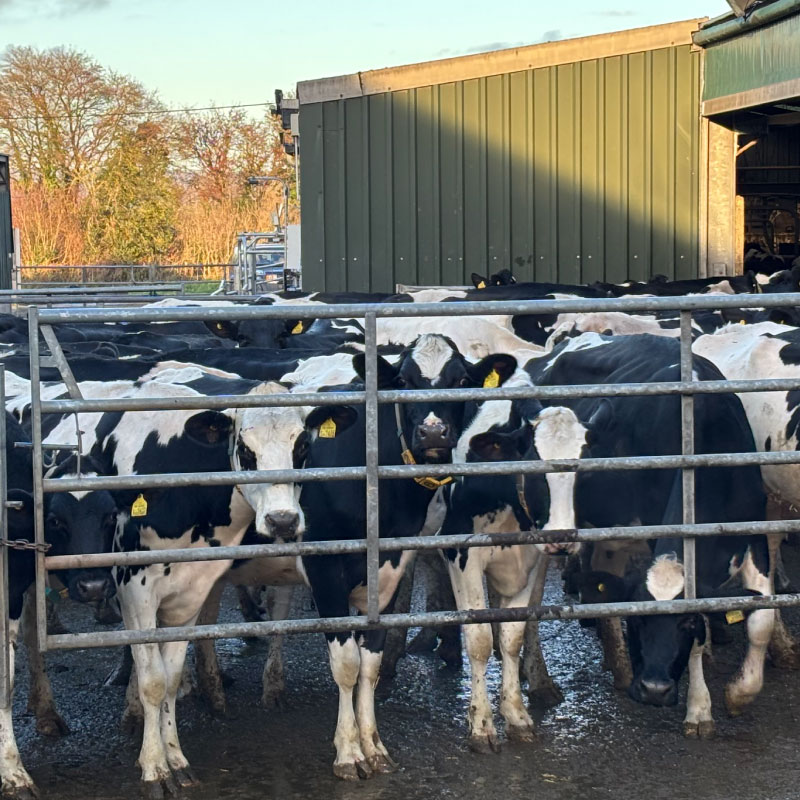
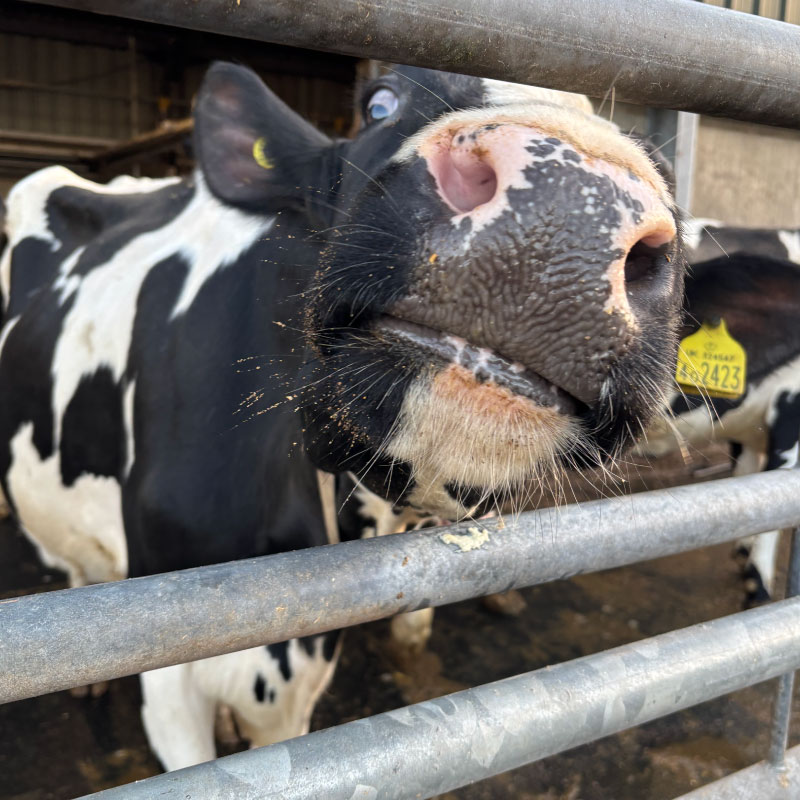
The clamp has recently been opened, and the silage is now being fed to the herd. Initial feedback has been extremely positive, with Rob reporting that the cattle have uniformly given the mix a “hooves-up.”
Early signs suggest the silage is palatable and performing well within the ration, supporting the original aim of improving on-farm protein production.

The Client
Customer: Woodhouse Farm
Location: Wiltshire
Farmers: Rob and Lucy Noad
Herd Size: 220 + Followers
Area Trialled: 42 acres